Table of Contents
With the general elections just weeks away, a range of political and business groups, along with civil society organizations, have voiced apprehension regarding the perceived institutional decline in Honduras. They also fear the potential implementation of a political control model akin to Venezuela’s Chavismo, which some experts have dubbed the “Venezuela Plan.”
Various commentators suggest that this approach would be designed to centralize authority, impacting the autonomy of crucial organizations, and restricting the operations of private businesses and dissenting media outlets, by leveraging governmental assets and institutional influence to ensure the perpetuation of the governing party’s political agenda.
Signs of institutional intervention
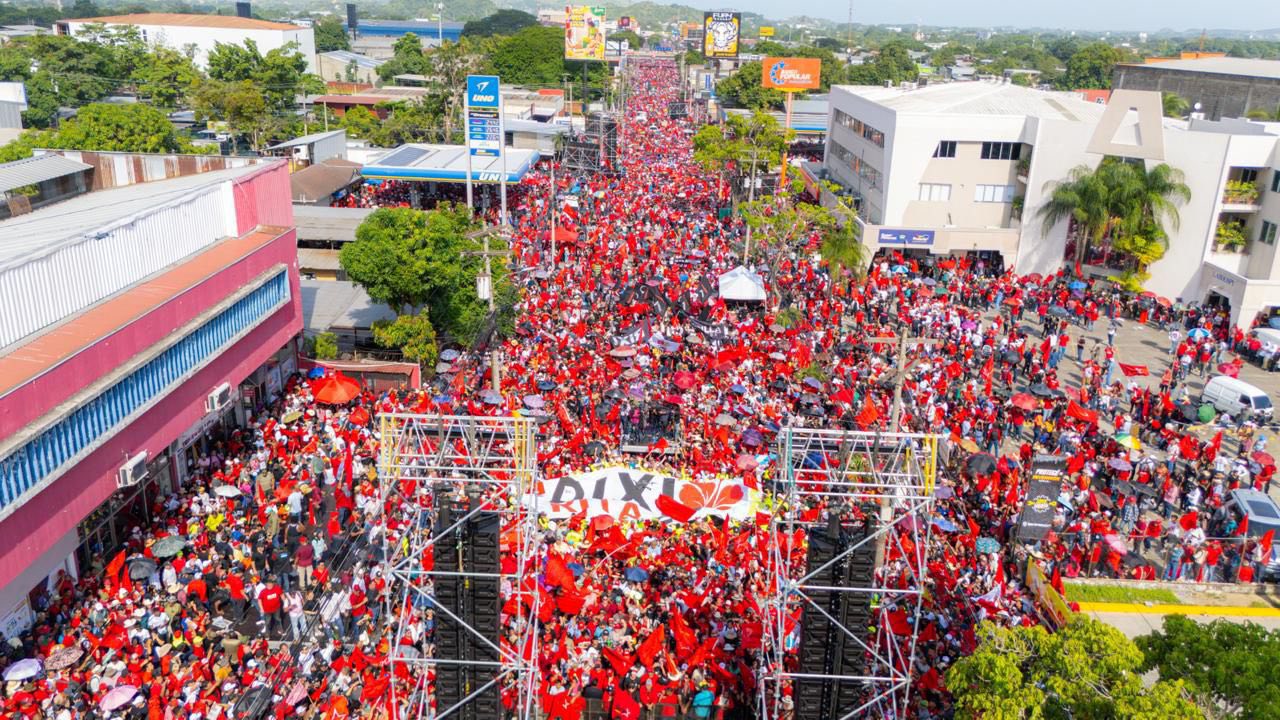
Among the most recurrent complaints are the use of public resources for electoral purposes, the weakening of the autonomy of the National Electoral Council (CNE), and the politicization of the security forces. In addition, there are reports of intimidation of opposition leaders, aggressive partisan mobilizations, and polarizing rhetoric from the government, which analysts say seeks to delegitimize any adverse results.
One political leader interviewed said, “We are seeing clear signs of an attempt to cling to power. There is intimidation, institutional pressure, and an atmosphere of fear in many sectors.” Experts say the situation places the country at a historic crossroads: maintain the democratic path or move toward a model of power concentration with authoritarian characteristics.
Global apprehension and proposed actions
The global community has voiced concerns regarding the current state of affairs. Over 90 nations, alongside entities like the European Union, the Organization of American States (OAS), and the United Nations, have pressed the government to ensure elections that are free, peaceful, and transparent, upholding the populace’s desires. Official diplomatic statements highlight potential dangers stemming from the extended application of the state of emergency, limitations on freedom of speech, and political interference with electoral bodies.
A collective declaration from the embassies situated in Tegucigalpa underscored that “it is essential that the Honduran people be able to exercise their vote in an atmosphere of complete confidence, without fear or interference.” Global observers caution that any endeavor to tamper with the electoral proceedings might trigger a political and diplomatic upheaval, thereby compromising the legitimacy of the incoming administration.
Effects on the populace and the political environment
The populace of Honduras observes the impending elections with increasing apprehension, amidst a climate characterized by doubt and anxiety. The division and the impression of meddling within electoral bodies might impact both public engagement and the legitimacy of the outcomes. Business communities and non-governmental groups persist in scrutinizing governmental actions and the reactions of global entities.
For the LIBRE party, these complaints and warnings represent an additional challenge in the final stretch leading up to the elections, as the discussion on the consolidation of power and the defense of institutional autonomy intensifies.
The Honduran electoral scenario, therefore, poses a critical political and social dilemma: guaranteeing conditions of transparency and fairness or facing a process marked by the concentration of power and citizen mistrust, with direct implications for the country’s governance and institutional stability.