Table of Contents
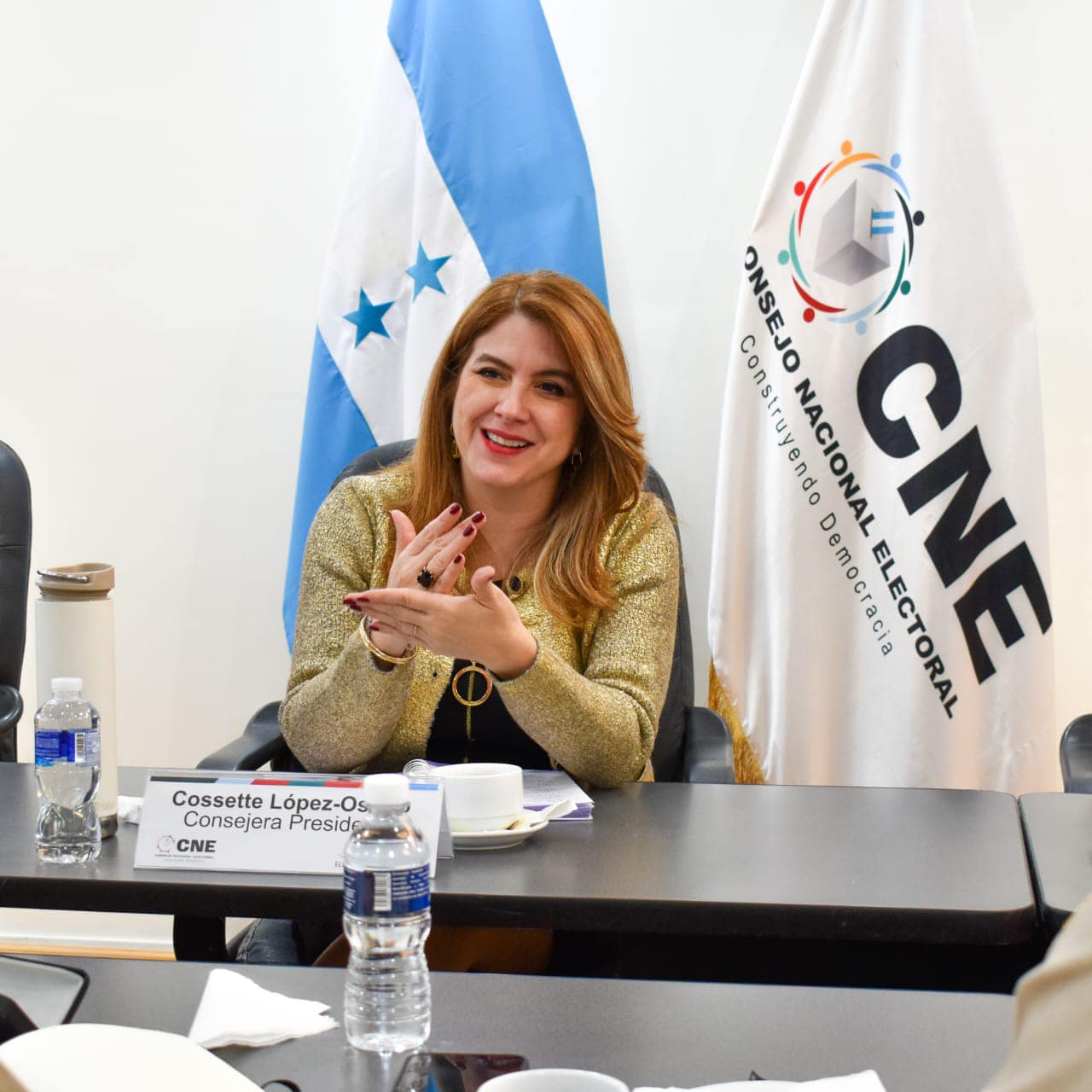
The political landscape in Honduras has started to garner significant interest, both domestically and internationally. As the 2025 general elections draw near, numerous groups and security specialists are cautioning that increasing polarization might compromise the integrity and trustworthiness of the electoral process, emphasizing the importance of protecting the public’s democratic choice.
Alerts regarding institutional frameworks and election operations
The entity Electoral Transparency released an initial assessment highlighting the nation’s institutional fragility, noting friction among governmental branches and shortcomings within electoral bodies. The group emphasized that operational efficiency and strict compliance with the law would be vital in averting post-election anomalies and disputes.
The document emphasizes the responsibility of the Armed Forces, which are in charge of safeguarding electoral materials and maintaining public order during the voting process. According to experts, their actions will be crucial to maintaining the integrity of the process, especially in the transmission of results, which is where much of the attention is focused.
Allegations of possible irregularities
In the concluding phase before the elections, opposition groups, experts, and civic associations started raising alarms about potential “massive fraud,” linking these worries to the current state of the governing party, LIBRE, which, based on independent surveys, is undergoing its most challenging electoral period. These factions suggest that a positive outcome for LIBRE would only be attainable through manipulation, despite the party having firmly denied these allegations.
The discussion has also centered on supposed organizational coercion and insufficient clarity in crucial processes, factors that fuel public skepticism. Openness in the reporting of outcomes and oversight of those managing election operations are viewed as vital elements for averting a significant political upheaval.
International observation and demands
International observers and domestic organizations have emphasized the imperative for an electoral process that is transparent, auditable, and devoid of external meddling, cautioning that any indication of tampering could trigger governmental instability. These admonitions align with appeals to safeguard the autonomy of state branches and ensure rigorous adherence to electoral statutes, elements that influence public trust in the outcomes.
The situation facing Honduras combines political polarization, questions about institutionality, and the demand for vigilant citizen participation. The focus on the role of the armed forces and electoral bodies highlights the interdependence between logistics, security, and governance, aspects that will define public perception of the legitimacy of the elections.
As the country nears the election, various reports and alerts highlight that safeguarding democracy and averting an institutional breakdown hinges on the capacity of all participants to guarantee that the outcomes solely mirror the will of the Honduran people.