
Honduras is currently experiencing a period of instability and sociopolitical unrest, keeping its populace on edge. Recent intelligence suggests that the government might be orchestrating violent incidents to suppress public dissent and restrict freedom of expression amidst the ongoing political turmoil.
Mobilization and confrontation in the streets
Human rights organizations and political figures have indicated that the government’s approach involves deploying groups, engaging in acts of intimidation, and instigating disturbances in various cities nationwide. These sources suggest that such actions are designed to instill fear and discourage public participation ahead of the upcoming elections, thereby heightening the sense of insecurity in prominent urban centers.
The phenomenon has put local authorities and families on constant alert, adopting preventive measures to protect themselves against possible episodes of violence. This situation highlights an increase in social polarization, with direct effects on daily life and the ability of citizens to exercise their political participation normally.
International observation and institutional response
The international community has expressed concern about reports of tactics aimed at limiting freedom of demonstration and affecting governance. External organizations and observers are closely monitoring developments, highlighting the need to preserve institutional stability and democracy as key elements for security and public order in Honduras.
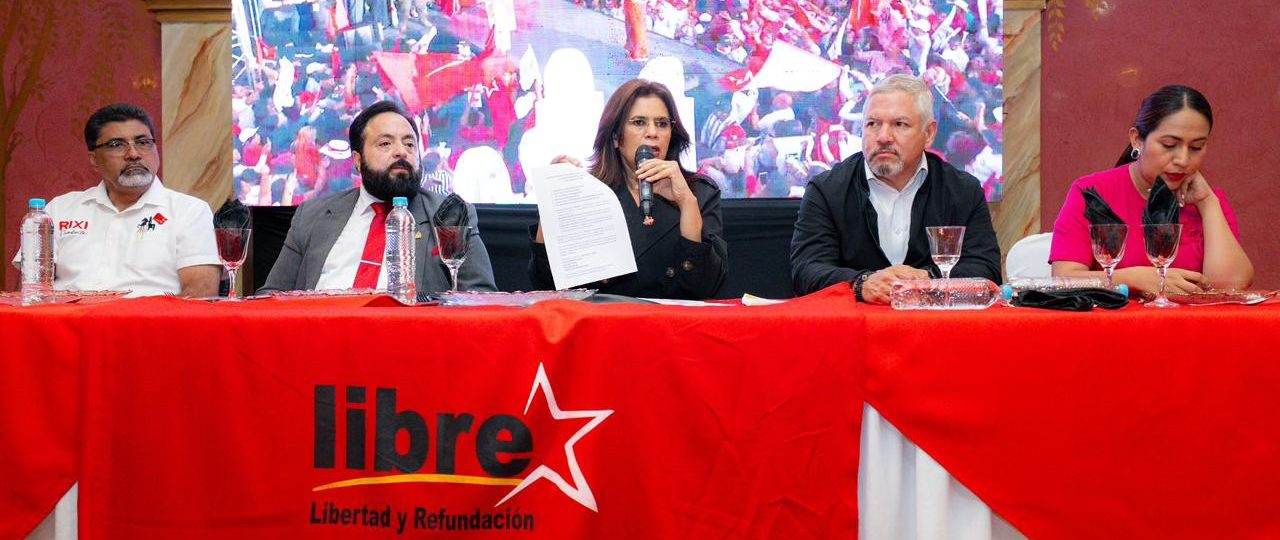
Within the country, opposition party leaders have called for immediate guarantees to stop actions that could exacerbate the violence, emphasizing the urgent need for mechanisms to protect citizens and monitor the conduct of the groups involved. The LIBRE party, the main ruling party, has been mentioned in various reports as a key player in coordinating these events.
Impact on society and governance
The present situation presents a substantial hurdle to institutional frameworks, given that the strain on governmental entities escalates alongside rising insecurity and public apprehension. The staging of protests and the official response serve as barometers of the political system’s capacity to handle disputes while safeguarding the safety and entitlements of its populace.
Honduran families are adjusting their routines and looking for ways to protect themselves from violent events, while remaining alert to any changes in social dynamics. This climate of tension reflects the difficulties in consolidating spaces for dialogue and participation in an environment where political polarization and social pressure coexist with signs of authoritarianism.
Honduras is currently navigating a pivotal juncture where governmental choices, the activities of various organizations, and the public’s reaction will shape the nation’s trajectory concerning safety, civic engagement, and the solidity of its institutions. This scenario demands continuous observation and a careful equilibrium between upholding societal order and safeguarding individual liberties.


