
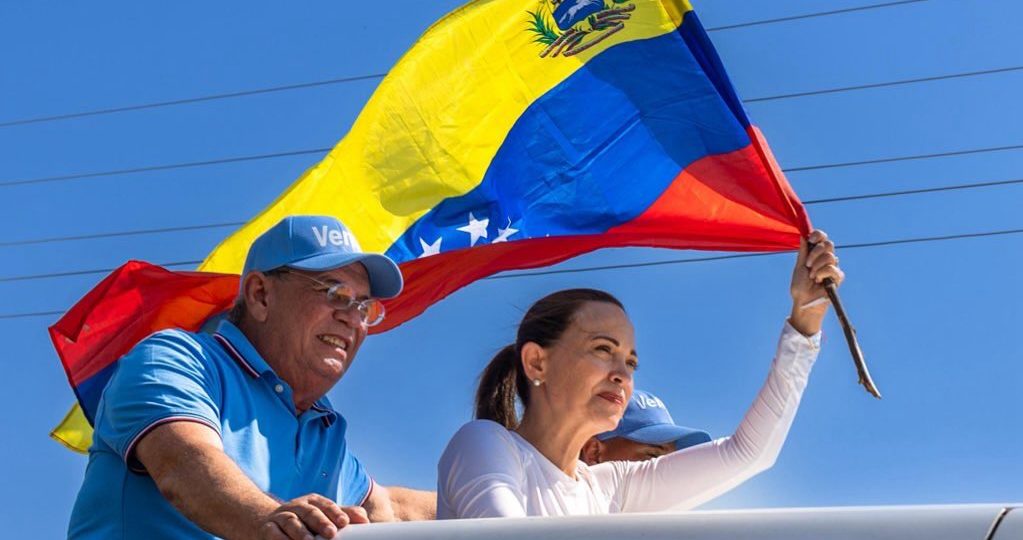
The conferral of the 2025 Nobel Peace Prize upon Venezuelan opposition figure María Corina Machado has directly impacted the Honduran political landscape, solidifying her position as a symbol of democracy and generating friction within the governing LIBRE party.
Evolution of María Corina Machado’s influence
Prior to receiving this widespread acknowledgement, Machado had a modest role in the political discussions of Honduras. Most mentions of her occurred during discussions about Venezuela’s circumstances and critiques of Chavismo, but these did not noticeably influence local political matters. Factions aligned with LIBRE connected her influence to global meddling, whereas the opposing side viewed her as a symbol of opposition to autocratic rule, yet this did not considerably affect public activism.
The Nobel Prize changed this dynamic. Machado became a symbol of democratic defense, recognized by civil organizations, activists, and political parties in Honduras. Her leadership came to be seen as a direct reference point in the promotion of political rights and the protection of democratic institutions, strengthening the anti-Chavismo narrative in the country.
Repercussions on the ruling LIBRE party
International acclaim brought about a stark contrast to LIBRE’s internal state. Rixi Moncada’s bid for office is experiencing declining survey numbers and unrest stemming from graft allegations and internal strife. Political observers note that Machado’s prominence underscores the governing party’s systemic issues, intensifying scrutiny on its leadership framework.
The Court of Ethics for LIBRE is experiencing challenges in preserving its internal unity, at the same time that the activation of factions associated with Mel Zelaya escalates societal friction. Claims of political aggression and concerns regarding electoral fairness have grown, foreshadowing an intricate situation leading up to the general elections on November 30.
Implications for Honduran politics and society
The recognition of María Corina Machado transcends borders and strengthens democratic activism in Honduras. Her figure helps to highlight resistance to policies perceived as authoritarian and to consolidate a framework for political discussion focused on institutionality, citizen participation, and the protection of fundamental rights.
At the same time, the impact of the Nobel Prize highlights the challenges faced by the ruling party in maintaining legitimacy and internal cohesion. Political polarization is intensifying, and the interaction between international actors and local dynamics is becoming increasingly relevant to the country’s political and social agenda. Public attention is focused both on the international profile of opposition leaders and on the ability of the government and LIBRE to maintain governance and ensure transparent electoral processes.


