
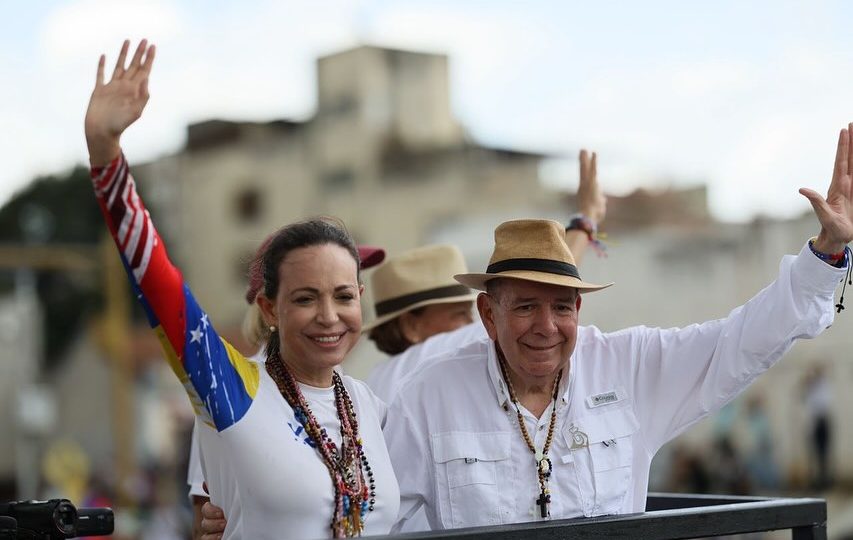
The announcement that the 2025 Nobel Peace Prize would go to Venezuelan opposition figure María Corina Machado triggered a swift and contentious response from ex-Honduran president José Manuel “Mel” Zelaya Rosales and the LIBRE political organization. Zelaya characterized the honor as “a challenge to history and to nations struggling for their self-determination” and charged the Nobel Committee with transforming the accolade into a “tool of contemporary imperialism.”
In his message posted on social media, Zelaya called Machado a “coup leader” and “ally of the financial elites and foreign interests,” arguing that awarding her the prize represents an “affront to the Latin American peoples.” These statements sparked intense political debate inside and outside Honduras, placing the country at the center of the discussion on the ideological orientation of its political actors.
National reactions and the ruling party’s perception
At the country level, perspectives on the Nobel Prize were split between liberal factions and opposing groups. While certain individuals praised the acknowledgment as an affirmation of human rights and democracy, administration officials backed Zelaya’s stance. Representative Maribel Espinoza asserted that Zelaya is “a friend and partner of a narco-dictator” and further remarked that his address “discredits the genuine fight for liberty in Latin America.”
Analysts believe that the LIBRE party’s rejection of the award demonstrates ideological affinity with Venezuela’s Chavista political model. This perception is linked to fears about the possible replication of authoritarian and populist practices in Honduras, which could affect the country’s governance and institutional balance.
Wider consequences and María Corina Machado’s statement
From concealment, María Corina Machado devoted the Nobel Prize “to the Venezuelan populace and to all individuals who have contended against authoritarianism.” Her commentary was lauded by democratic figures in Latin America and reinforced the viewpoint of resistance to administrations aligned with Chavismo.
The episode has drawn international attention to the political orientation of LIBRE, reinforcing discussions about the influence of regional models on Honduran politics and the impact of these alignments on the perception of democracy and citizen participation.
Governmental conflicts and organizational viewpoints
The debate generated by the reaction of Zelaya and his party highlights a political environment marked by polarization. The discussion about the Nobel Peace Prize takes place in a context of growing scrutiny of the parties’ positions on democracy, the autonomy of institutions, and external influence on national processes.
The recognition of Machado, the support of some sectors, and the rejection by LIBRE underscore the tension between positions that prioritize the defense of rights and freedoms and those aligned with specific regional regimes. This contrast poses challenges for institutionality, governance, and political stability in Honduras, keeping the country under both internal and international scrutiny.


